Auto Safety Best Practices for Sterling Heights Drivers in 2026
Auto Safety Tips Every Sterling Heights Driver Should Follow in 2026 are evolving due to new vehicle technology, weather patterns, and increasing urban traffic. Within the first 100 words, it is important to recognize that Sterling Heights roads experience seasonal hazards, heavy commuter flow, and unpredictable roadway conditions throughout the year. As 2026 introduces advanced assistance systems and stricter safety regulations, drivers need modern habits rather than outdated assumptions. Safety today involves more than wearing a seatbelt. It includes understanding vehicle sensor limitations, defensive driving tactics, vehicle maintenance schedules, and planning for Sterling Heights weather patterns that significantly influence braking distance and reaction time on local roads.
Sterling Heights has a diverse driving ecosystem influenced by suburban development, shopping districts, school zones, and industrial roads. Metropolitan Parkway, Van Dyke Avenue, and Hall Road experience varied traffic intensities depending on time of day and season. These differences mean that drivers cannot rely on a single safety strategy. Instead, they must adopt layered safety practices involving spatial awareness, predictive driving, and vehicle system understanding. Auto safety in 2026 also includes digital integration. Dashcams, navigation alerts, and real-time construction updates all contribute to safer decision making on the road.
The Role of Vehicle Technology in Safety
Modern vehicles increasingly include Advanced Driver Assistance Systems, or ADAS. These include lane departure warnings, adaptive cruise control, blind spot monitoring, pedestrian detection, and automatic emergency braking. Sterling Heights drivers should learn how each feature works and when it can fail. For example, lane assist sensors may struggle in heavy rain or on roads without clear lane markings. Automatic braking may misinterpret reflections on icy surfaces. Drivers should never assume that autonomous features can replace attention. Instead, they act as secondary layers of safety.
The rise of partial automation also changes driver responsibility. Some vehicles can maintain speed and lane position for extended periods, but manufacturers require hands on the wheel and eyes on the road. Ignoring this can cause delayed reaction times during emergencies. Safety involves understanding human limitations. Drivers become less alert when systems handle routine tasks for too long. To counteract this, experts recommend actively scanning mirrors every five to eight seconds, even when cruise or lane assist is active.
Sterling Heights Weather and Road Conditions
Michigan weather remains one of the biggest safety challenges. Winter produces snow, black ice, and poor visibility. Summer brings heavy rain and heat that affects tire pressure. Fall generates wet leaves on asphalt that reduce friction. Spring often floods sections of roads or forms potholes due to freeze thaw cycles. Each condition changes how vehicles brake and steer.
Safe winter driving in 2026 involves more than switching to winter tires. Drivers must understand tire pressure fluctuations, proper use of traction control, and controlled braking techniques. Anti lock braking systems prevent wheel lockup, but drivers still need to maintain larger following distances. Headlights should be cleaned regularly because road salt reduces brightness by forming a thin residue on lenses.
In rainy seasons, hydroplaning becomes a risk when tires lose contact with asphalt. Proper tire tread depth is critical. Worn tires drastically reduce braking efficiency. Drivers should also avoid cruise control during heavy rain because vehicles may accelerate unexpectedly during traction loss. Weather awareness becomes easier with modern forecasting apps integrated into navigation systems. Using these tools improves safety by providing storm alerts and hazard notifications.
Seasonal Construction and Infrastructure Awareness
Sterling Heights experiences frequent construction projects due to infrastructure modernization and pothole repair cycles. Construction zones require slower speeds and greater attention. Sudden lane shifts, merged traffic, temporary signage, and workers on foot all contribute to accident potential. Navigation systems in 2026 often show construction zones in real time, but drivers should remain alert to unexpected signage changes.
Potholes are also a major concern. They damage tires, wheels, and suspension components. Hitting a severe pothole at high speed can cause a tire blowout. Drivers should visually scan for road imperfections, especially after winter. Safe avoidance requires controlled steering, not sudden jerks, which can cause collisions with adjacent vehicles.
Vehicle Maintenance as a Safety Principle
Maintenance is not simply a mechanical responsibility. It is a safety function. Routine checks directly affect braking performance, stability, and visibility. Drivers in Sterling Heights should establish maintenance habits including scheduled brake inspections, alignment checks, tire rotation, oil changes, and wiper replacements. Worn wiper blades dramatically reduce visibility in snow or rain, making it difficult to identify hazards.
Tire maintenance deserves special focus. Tires influence acceleration, steering, braking, and traction in all weather conditions. Proper tread depth, correct inflation, and timely rotation increase control. Many 2026 vehicles include automatic tire pressure monitoring systems, but drivers should manually verify pressure during seasonal transitions because cold weather reduces PSI.
Brake systems also require seasonal evaluation due to salt exposure. Corrosion can compromise brake lines and calipers. Brake fluid should be changed periodically to maintain hydraulic efficiency. Engine coolant protects against overheating in summer and freezing in winter. Battery checks prevent cold weather startup failures, which can leave drivers stranded in hazardous conditions.
Defensive Driving as a Core Skill
Technology cannot replace defensive driving. Sterling Heights drivers face a variety of unpredictable scenarios including distracted drivers, aggressive merging, sudden stops, and pedestrian crossings. Defensive driving emphasizes anticipation, escape routes, safe following distances, and hazard scanning.
Following distance should increase during rain, snow, or icy conditions. A general guideline is three seconds in ideal weather but more during poor visibility. Drivers should avoid lingering in blind spots of trucks and buses. Large vehicles have limited rear and side visibility, meaning sudden lane changes can be dangerous for cars positioned alongside.
Predictive scanning involves evaluating not just the vehicle in front but multiple vehicles ahead. Brake lights several cars forward indicate slowing traffic earlier than waiting for the closest vehicle to react. This reduces the risk of rear end collisions. In Sterling Heights, school zones and shopping district areas require heightened awareness due to sudden pedestrian movement.
Driver Behavior and Distraction Prevention
Modern distractions have increased. Smartphones, touchscreens, navigation inputs, voice usage, and infotainment systems all influence attention. In 2026, many vehicles offer hands free voice commands, but drivers must still remain focused. Sterling Heights law enforcement continues to penalize hand held phone usage, reinforcing that full attention belongs on the road.
Eating, grooming, reaching for objects, and interacting with passengers also contribute to distracted driving. Safety experts recommend preparing the vehicle environment before starting the trip, such as adjusting mirrors, setting navigation, and securing loose items. The fewer tasks performed while in motion, the better the reaction time.

Speed Management and Situational Awareness
Speed limits exist based on road design, pedestrian density, and traffic flow. Sterling Heights includes residential zones, industrial roads, and high speed connectors. Drivers must adjust speed to match surroundings. Faster speeds reduce available reaction time and increase collision force. Weather, traffic density, and visibility are all factors requiring speed adjustments.
Night driving requires careful management because human vision declines in low light conditions. Glare from oncoming headlights, reflective surfaces, and wet pavement creates additional hazards. Proper headlight alignment ensures clear visibility without blinding others. Headlights should be used during rain or snow even during daylight to improve vehicle detection.
Emergency Preparedness for Sterling Heights Drivers
Preparedness means carrying basic emergency supplies including jumper cables, tire pumps, ice scrapers, blankets, flashlights, and first aid kits. Roadside assistance memberships and automotive insurance details should be readily accessible. Drivers should know how to perform simple tasks such as checking oil, replacing wiper blades, and identifying tire pressure warning signs.
Breakdowns should be handled with awareness. Drivers should pull over to safe shoulders, activate hazard lights, and remain inside the vehicle when traffic is heavy. Exiting the vehicle on busy roads increases risk, especially on highways like M 59 where vehicles travel at higher speeds.
Glass and Visibility Considerations
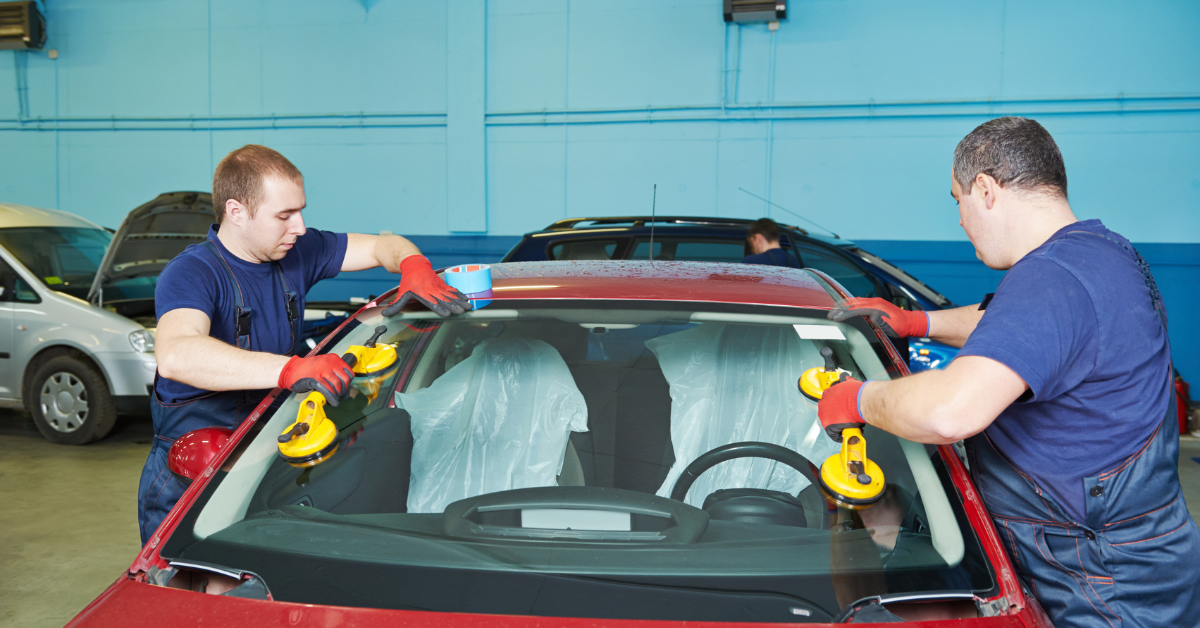
Windshield clarity directly affects safety. Chips, cracks, and scratches distort light and reduce visibility, especially at night. Addressing damage quickly prevents spreading. Severe damage may require professional service such as windshield replacement sterling heights depending on the extent of the fracture and placement within the driver’s sightline.
Dirty or fogged glass also creates hazards. Defrosting systems and cabin filters should be maintained. Air conditioning removes moisture from the interior, which helps prevent fogging during humid seasons. Snow and ice should be fully cleared before driving because partial clearing creates blind spots.
Legal and Ethical Safety Responsibilities
Auto safety in 2026 is not solely technical. It includes legal compliance and social responsibility. Sterling Heights enforces speed regulations, seatbelt laws, impaired driving laws, and distracted driving restrictions. Drivers who ignore these rules endanger others as well as themselves. Alcohol and drug impairment remain major contributors to accidents. Even prescription medications can reduce reaction time. Responsible drivers evaluate their condition before operating a vehicle.
Child passenger safety requires proper seat selection and installation. Car seats and boosters must match child age, weight, and height. Incorrect installation is a common problem. Many Sterling Heights safety organizations provide inspection services to ensure proper fitting.
How Safety Impacts Long Term Vehicle Ownership
Safety habits influence vehicle longevity, insurance costs, and resale value. Vehicles with documented maintenance histories, undamaged windshields, and well maintained tires present better resale opportunities. Insurance companies also reward clean driving records. Accidents, claims, and violations increase premiums.
As 2026 introduces advanced safety technologies, auto manufacturers also update maintenance guidelines. Drivers should read manuals and consult certified technicians rather than relying on outdated advice. Vehicles with sensor calibration systems require proper servicing after windshield repairs, collision work, or alignment changes.
Final Safety Considerations for 2026 and Beyond
Auto Safety Tips Every Sterling Heights Driver Should Follow in 2026 demonstrates that safe driving involves knowledge, behavior, and preparation. Awareness of weather, technology, roadway patterns, and personal limitations all contribute to fewer accidents and smoother transportation throughout the city.
For drivers who encounter visibility issues or structural glass damage, professional services may be necessary. In cases where glass damage becomes severe or impairs visibility, contacting experts for a service such as windshield replacement sterling heights helps restore safety and compliance with Michigan road laws.
By combining modern defensive driving, technology awareness, seasonal adjustments, and proper vehicle maintenance, Sterling Heights drivers in 2026 can protect their families, reduce financial losses, and contribute to safer roads for everyone.